Meetings are held on the third Wednesday of the month from September through April. Speaker presentations are open to the public, providing environmental education to everyone in our community.
We sponsor outings and participate in bird- and conservation-related community events at the local, regional, and national level. We also participate in a number of community, regional, and even national events.
Events in October 2026
| MonMonday | TueTuesday | WedWednesday | ThuThursday | FriFriday | SatSaturday | SunSunday |
|---|---|---|---|---|---|---|
September 28, 2026
|
September 29, 2026
|
September 30, 2026
|
October 1, 2026
|
October 2, 2026
|
October 3, 2026
|
October 4, 2026
|
October 5, 2026
|
October 6, 2026
|
October 7, 2026
|
October 8, 2026
|
October 9, 2026
|
October 10, 2026
(1 event)
– 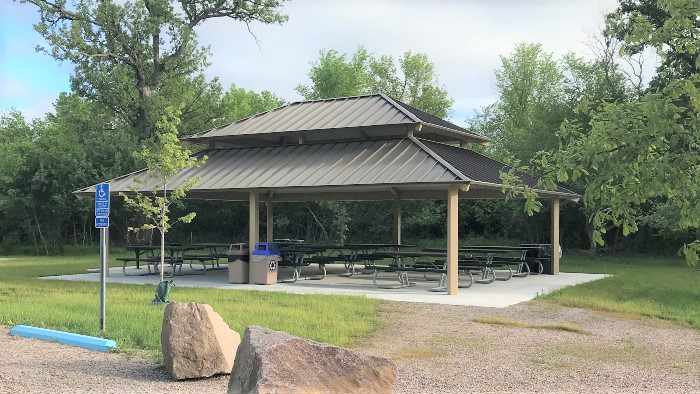
In Honor of John and Linda Peck we are hosting a Buckthorn removal event at Rockville County Park near Rockville, Minnesota on October 10th, 2026 from 1pm to half past three. This is our chance to show our appreciation to the Pecks for all their contributions to CMAS and conservation in central Minnesota! Location – Meet at the picnic shelter at the Park at 1pm. Address – 11503 GLACIER RD, Rockville, MN 56369. See map below. October 17th, 2026 is our back up date if we get rained out on the 10th. Bring gloves, wear a long sleeve shirt or jacket, long pants and comfortable boots. Stearns County parks will provide pruners, hand saws and chemicals for the event. Removal is done by pulling small plants by hand and cutting larger plants and applying chemicals to the stumps. There is a bathroom near the picnic shelter. We will be working off-trail on somewhat uneven ground. |
October 11, 2026
|
October 12, 2026
|
October 13, 2026
|
October 14, 2026
|
October 15, 2026
|
October 16, 2026
|
October 17, 2026
|
October 18, 2026
|
October 19, 2026
|
October 20, 2026
|
October 21, 2026
(1 event)
– Russel Groves of the University of WI, Madison will present via Zoom on groundwater contamination(s) associated with the uses of neonicotinoids. Details to follow.
We will meet at the Unitarian Universalist Fellowship (3226 Maine Prairie Road, St. Cloud, MN 56301 – map below). There are no steps to enter the building or the meeting room, and a bathroom is available. The meeting is open to the public and will also be available on Zoom. Invite your friends and neighbors or request a Zoom link at centralmnaudubon@gmail.com. Refreshments and door prizes to follow the presentation.
|
October 22, 2026
|
October 23, 2026
|
October 24, 2026
|
October 25, 2026
|
October 26, 2026
|
October 27, 2026
|
October 28, 2026
|
October 29, 2026
|
October 30, 2026
|
October 31, 2026
|
November 1, 2026
|
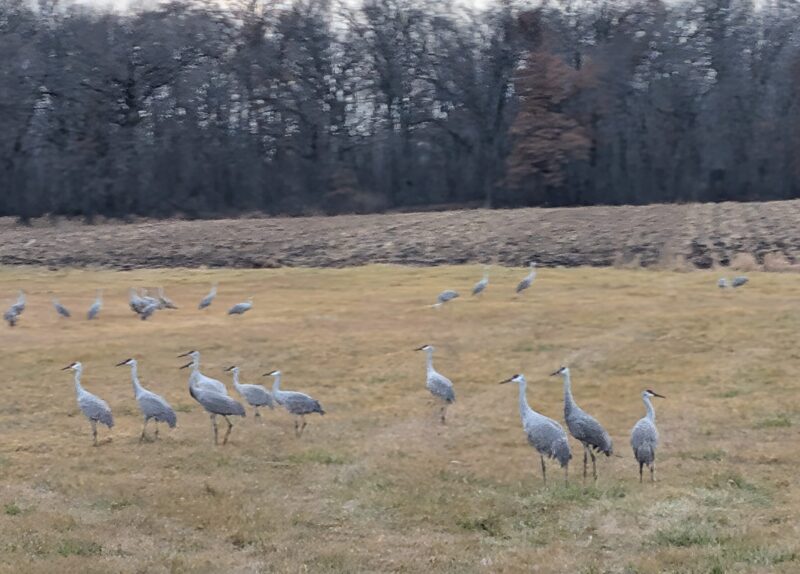
Photo: Doris Minnerath-Kneip
Annual Outings
These are outings that occur every year.
February
Great Backyard Bird Count – Saturday morning outing during the GBBC usually on Beaver Island Trail below the dam in St. Cloud.
April
Sand Prairie WMA – look and listen for Woodcocks in their mating ritual. Programming the date is challenging as we are still subject to snowstorms, but the display is always worth the effort.
May
Albany Wastewater ponds – migrating ducks and shorebirds
Avon Hills Folk School – We join with the Folk School for multiple “Intro to Birding” hands-on Bird Walks.
Peck Farm in Rockville – Annual picnic. This event has been held for the past thirty years.
August
Varying locations – Chimney Swift Sit. We choose a location where there is a migratory communal roost. In 2026 CMAS participated in a statewide monitoring study. We hope to identify additional communal roosts in the CMAS area.
December
St Cloud/Collegeville area – Christmas Bird Count. The CBC has been around for 125 years, and the St Cloud circle has participated since 1980. Brian Jungels is the compiler for the CBC.
Community Events
CMAS members are also encouraged to participate in area birding events:
May
Birding Days at St. John’s Arboretum, Sherburne National Wildlife Refuge, and Crane Meadows National Wildlife Refuge, and observing mating rituals of Western Grebes with Let’s Go Fishing on Lake Osakis.
October
Sand Hill Crane Viewing at Sherburne National Wildlife Refuge.